About
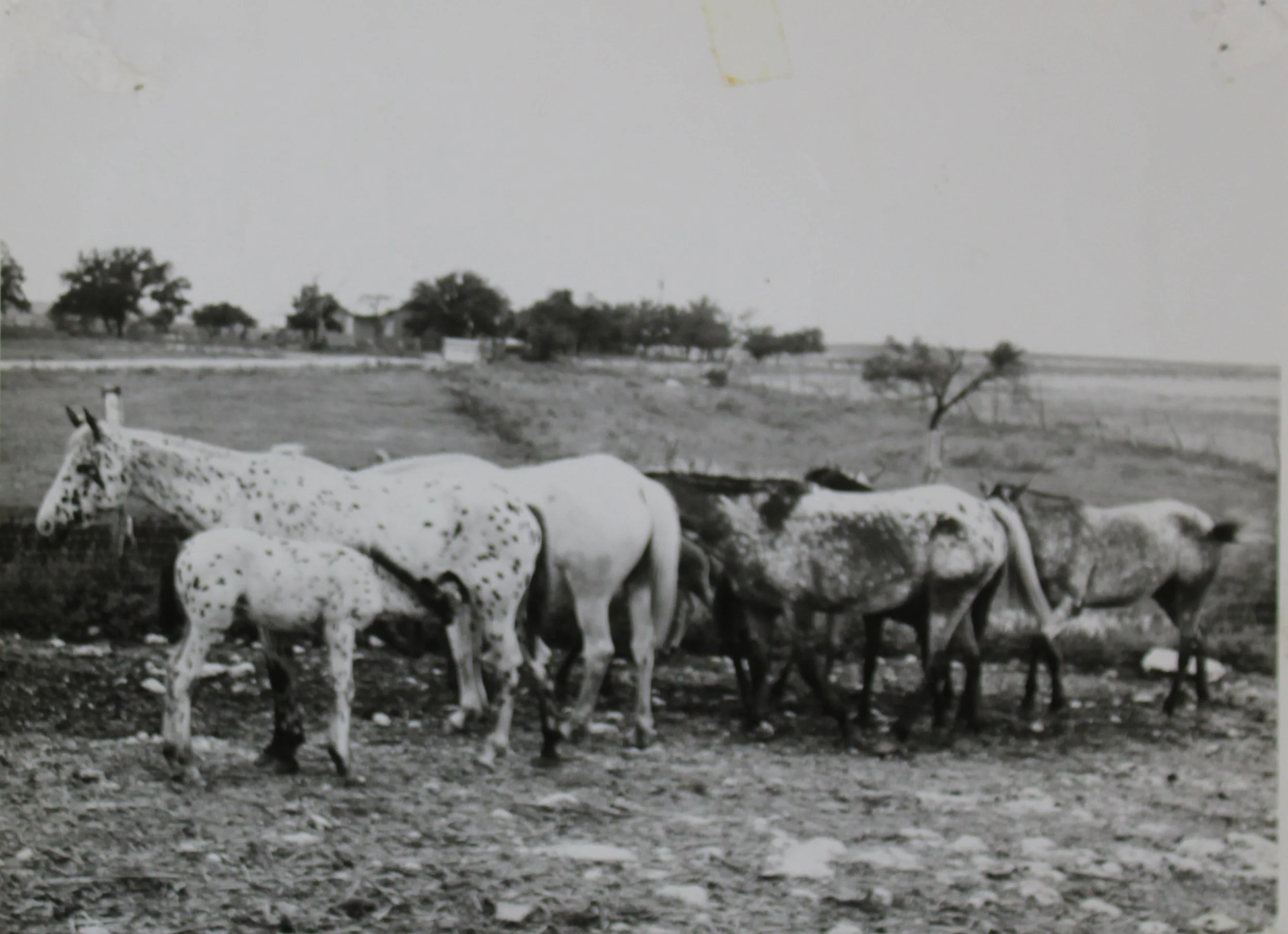
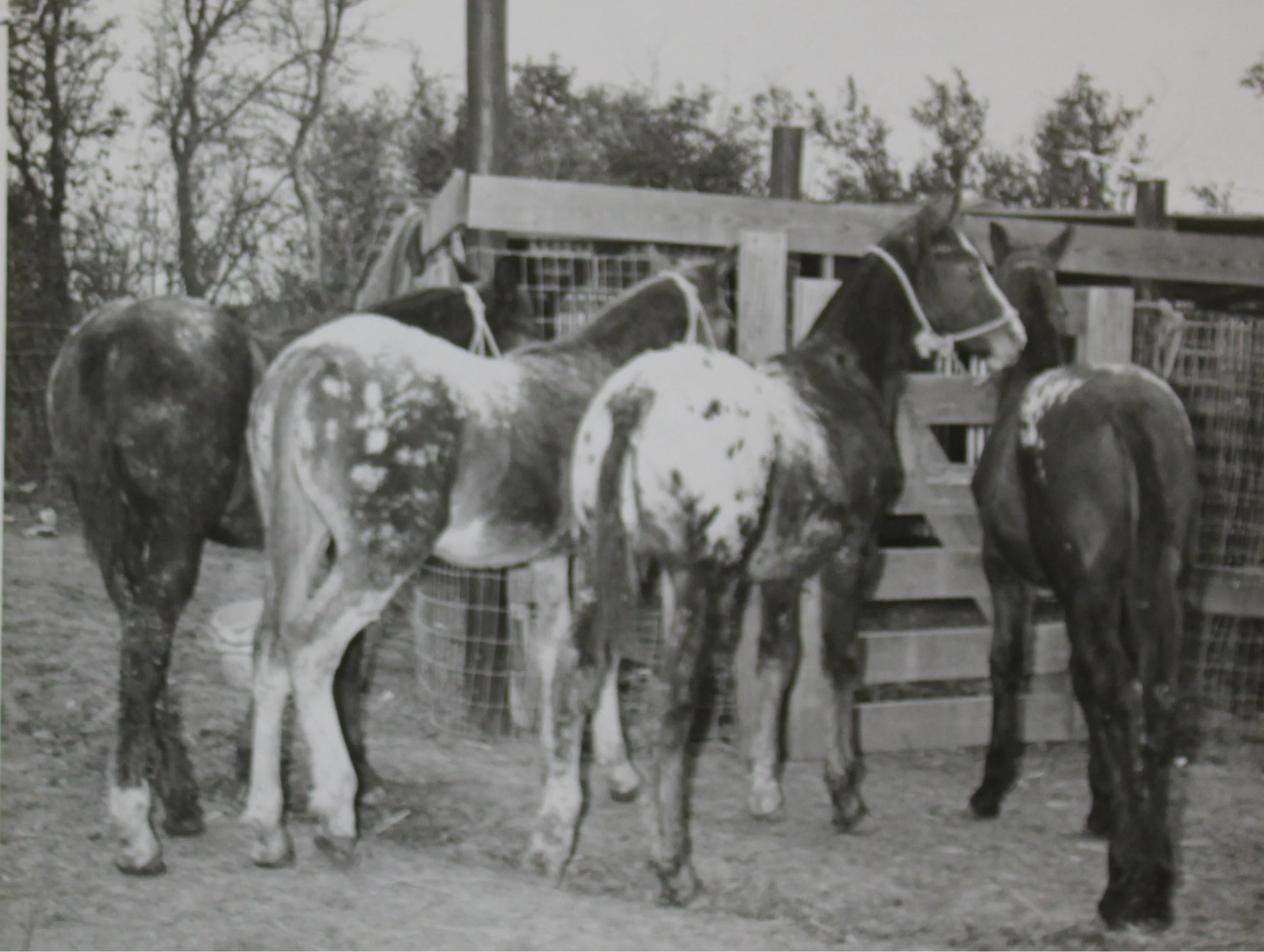
My early years were spent on the Tablerock Mountain Appaloosa Horse Ranch near Cransfills Gap, Texas. My parents raised and bred “spotted horses” and also showed them all over the western United States in events like cutting, reining, barrel racing and western pleasure.
This is where I began my “art career”, drawing what I saw and knew. But sometime in my early teens, I put away my drawing pencils and never picked them up again for fifty years.
During those fifty years, the Tablerock was sold, family had passed on, and I had moved far away to west Texas. A memory of the “saddle” while being grounded in the enduring quiet reality of the modern, yet historic West. It was the first time I had been more than a rodeo’s distance from the ranch.
You see the Tablerock‘s stock of appaloosas came from breeding our own stock as well as buying brood mares from as far as South Dakota’s Rosebud and Pine Ridge reservations, where we would have the Brulé and Oglala Sioux round up and load horses from the prairie into our cattle truck for the trip back to Texas.
On one of these trips in the early 1960’s, my dad took me to the Wounded Knee monument which at that time was a stark, simple site, largely consisting of a mass grave on a hill featuring an old marker put up by the Oglala titled "Site of the Wounded Knee Tragedy".
My father understood the Indians plight and passed it on to me. To him, the dusty sagas of white settlers and the Native tribes were a single, uniquely American culture—a clash where neither could ever truly absorb the other.
Once, on a return trip, he deviated from our route by 100 miles or so to see Oscar Howe’s painting, or at least sketches of it, in Vermillion, SD. He did not see it as a detour as much as a necessary descent into the marrow of it all.
There, in Howe’s masterful strokes, he showed me the raw architecture of a slaughter—not the finished, polished myth, but the skeletal truth of the 7th Cavalry and a hellish pit that refused to be smoothed over by time. To him, that painting was the story finally being told right, a man’s frantic, reportorial urge to record an atrocity so that it might finally receive the proper hearing it had been denied for nearly a century.
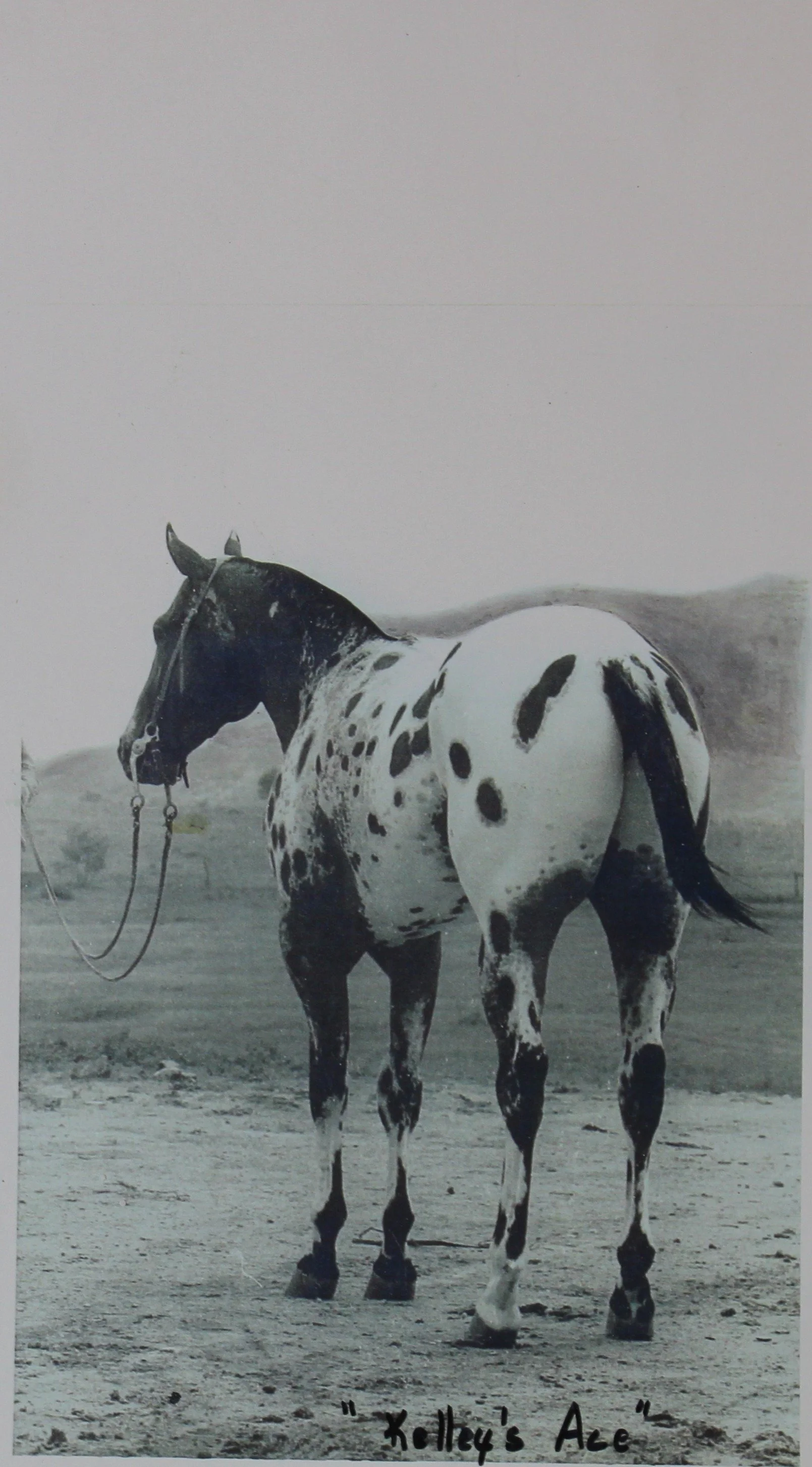
All things of course change and this did too. The drawing stopped. Charcoal and paper were put away. The ranch went to taxes and the government. The horses were sold, all but Kelly’s Ace, who moved around with us, at one point even living in out backyard until the city of Midland noticed. Then Kelly had to go, too.
Ace Hooper, an old friend of my dads, eventually took Kelly to stand at stud and live his life out in Plainview, on Ace’s ranch out in the panhandle. Seeing Kelly go meant that the final connection to the Tablerock horse ranch was finally severed. That was the end of it.
I went into the world of men and machines. I eventually went to the oilfields where the work was hard and the wind came flat across the plains. I worked the rigs and felt the vibration of the earth in my bones. I also worked in the classroom teaching mathematics to the indifferent, sometimes sullen faces of the young.
Life moved in a more or less straight line, a few zigs and zags. There were no horses in my life and I never gave them much thought. I rode motorcycles, lived in Midland and Odessa and El Paso, married, had kids, and the land was vast and wonderful and sometimes cruel.
One of those zigs took me to the oilfields of western Oklahoma in the winter of 80’ where I drove a hotshot rig for a few months and had another run in with the memory of the 7th cavalry. It had ben a particularly long day and a few hours before sunrise I was nodding off at the wheel of my F- 600 that smelled of oil and cold vinyl after dropping off a sub, a heavy hunk of steel not a sandwich, to a bunch of surly roughnecks and their driller near Cheyenne, Oklahoma.
I remember the ticking of the manifold as the motor cooled and I drifted off but next I know, the cab was really cold and the wind was howling outside, the truck was rocking, heavily on its yielding springs and wilder yet, it felt like someone was looking in the truck. I got out and looked around into the blackness of the prairie, but there was nothing, only the wind blowing through the grass. I got back in the Ford and hit the road without looking back. To look back is to invite trouble.
I returned to the same dirt road on my way to the same desolate rig a few days or weeks later. The sun was high now and the country no longer looked as it had in the dark. There was a sign pointing a stone marker in the weeds close to where I had stopped to sleep that night and I got out to look at it. The eeriness was gone, but in its place was something else. It was an uneasiness that that made the hair on the back of my neck stand up. The gray granite stone had portraits of both Chief Black Kettle and Lt. Col. George A. Custer etched into it. Underneath it said-
“Custer's command of 500 troopers... destroyed Chief Black Kettle's Cheyenne village here on Nov. 27, 1868...”
The killing had started at dawn, very close to where I had slept fitfully days before. The word destroyed seemed dry and inadequate and the silence was heavy. Maybe 100 Cheyenne died here and afterwards Custer had over 800 Indian ponies shot. I got back in my truck and didn’t look back but it stayed with me.
A few years later, my wife and I drove up to Montana, to the high country near Gary Owen. I didn’t mention it to my wife, but the ground there and at the Washita had a pull to it, and I needed to see the place where the Seventh Cavalry finally ran out of luck.
The Washita was the start of it and Wounded Knee the end. Fitting bookmarks, heavy and cold, and between them lay all the miles of the plains, the dead Sioux and Cheyenne, all the horses and the troopers of the 7th who did the killing and dying until the thing was finished. I moved on.
My father was eventually gone also but his views on Indians stayed in me. I didn’t realize or think about it. It was like a bone that had been broken and set differently. I looked at the Indians and did not see the pictures from the books or the movies. You saw the strokes of Oscar Howe and the cold truth of the hill at Wounded Knee. You did not think of it, but it was there, a quiet thing in the back of your mind.
Now, I’m an old man, and my granddaughter, Gabby has brought horses back into my life and I feel I have to draw and paint again. And nowadays I sit before the canvas with the burnt umber and sienna, and stories come out through my hands. I paint the power and the sadness of the displacement.
I try to tell the truth of the horse and the people and the country - not with talent perhaps., but with a terrible, scouring honesty.
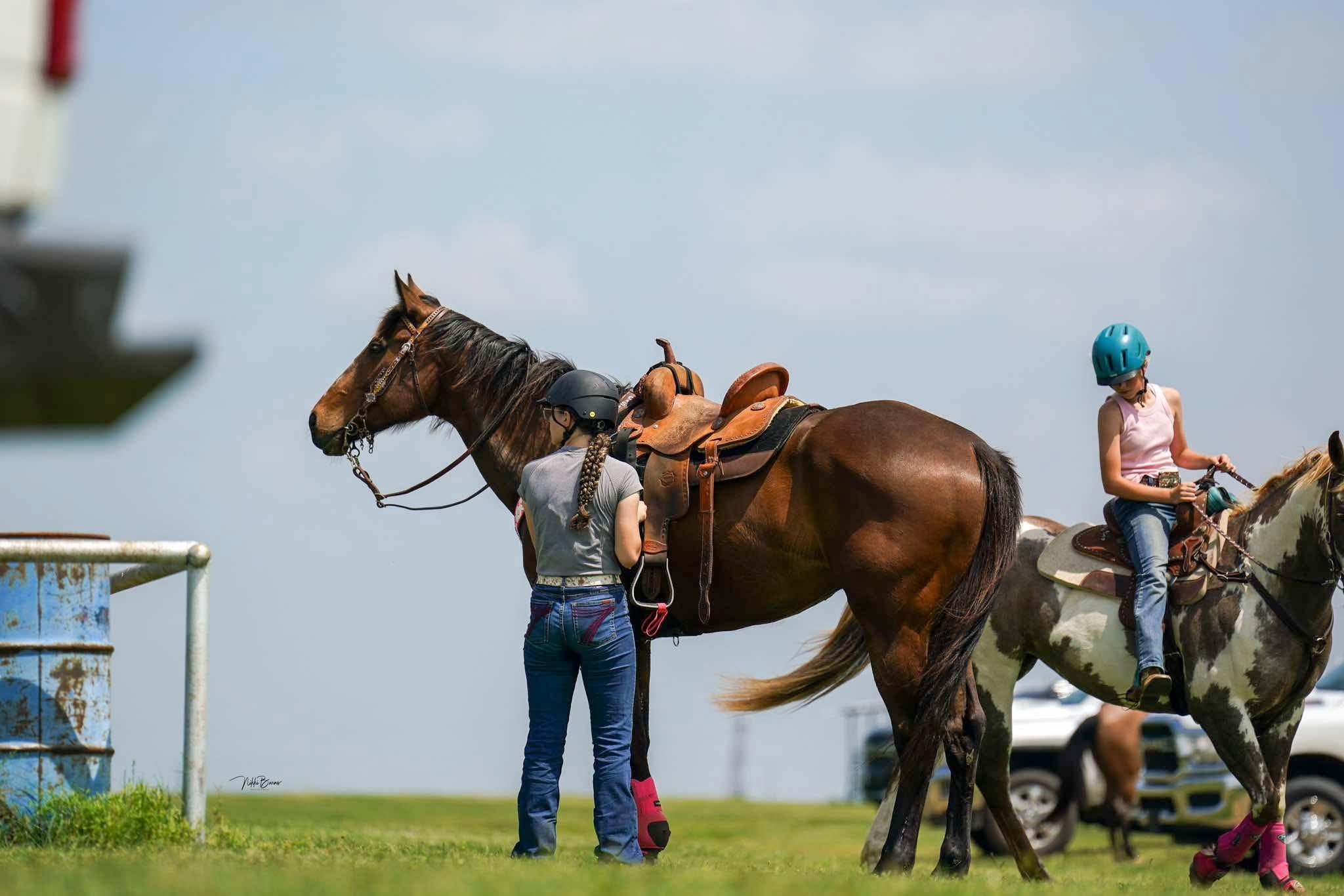
Gabby prepping Junior B Buggin for the barrels in Bowie, Texas.
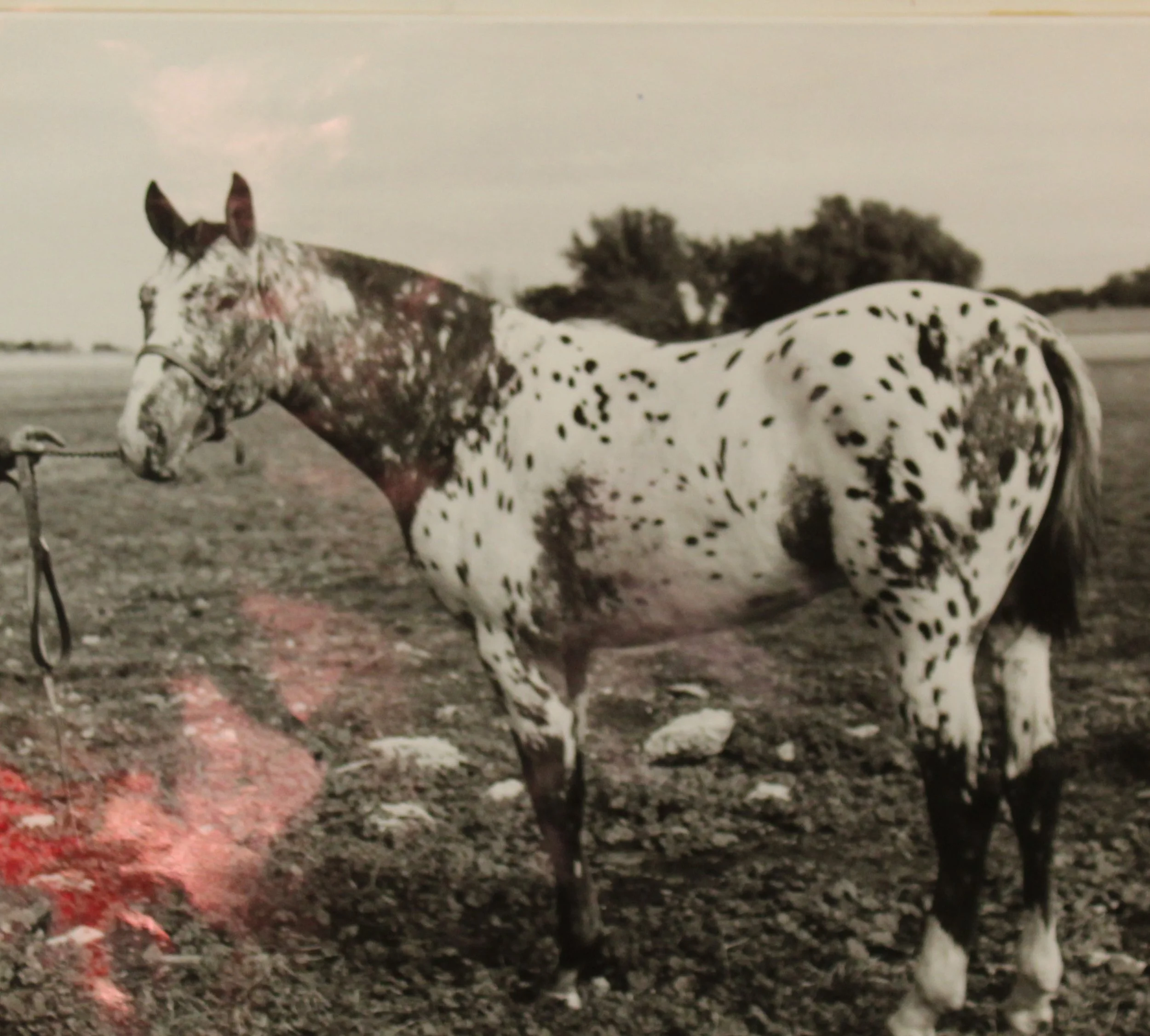
Foal pen on the Tablerock
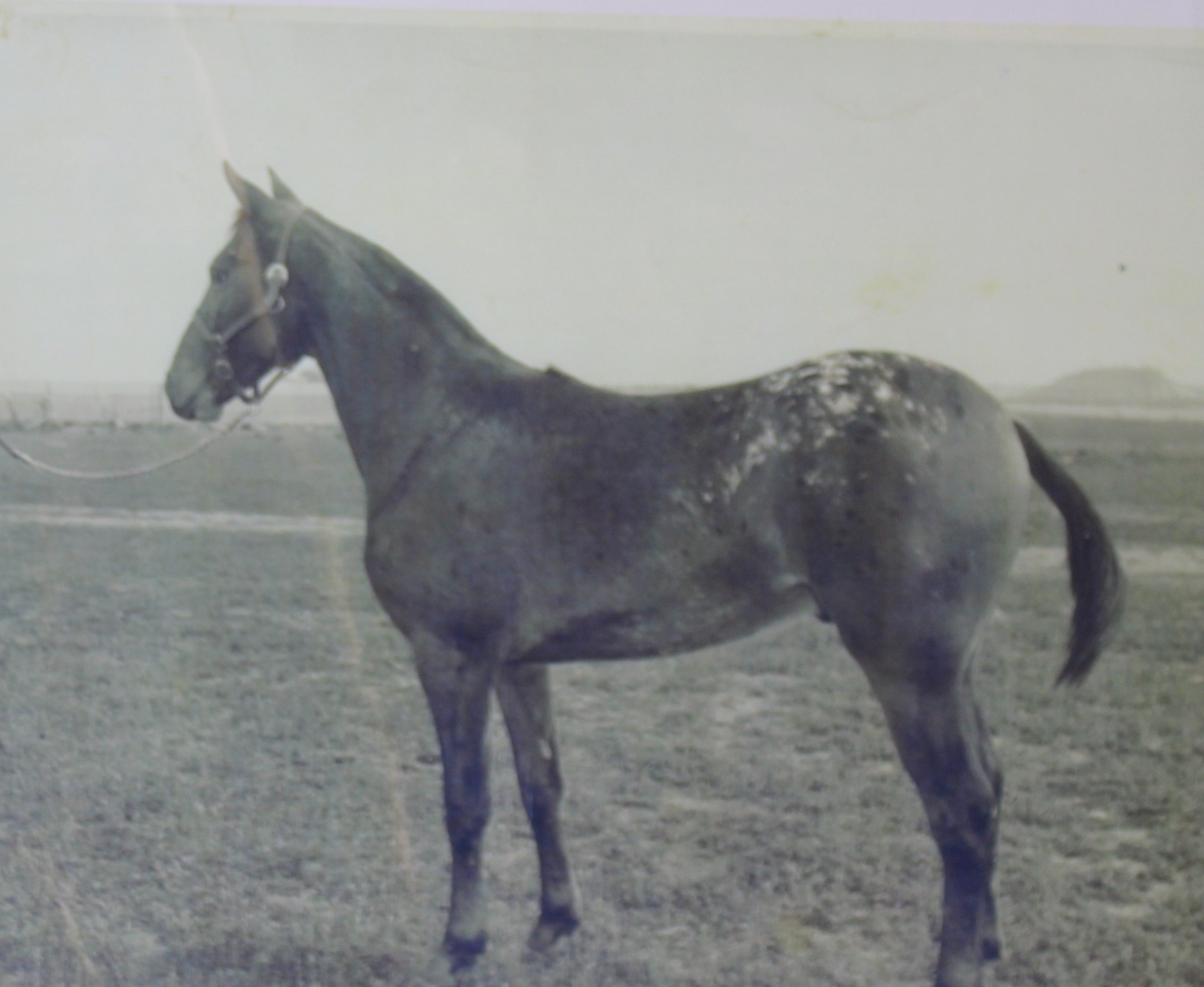
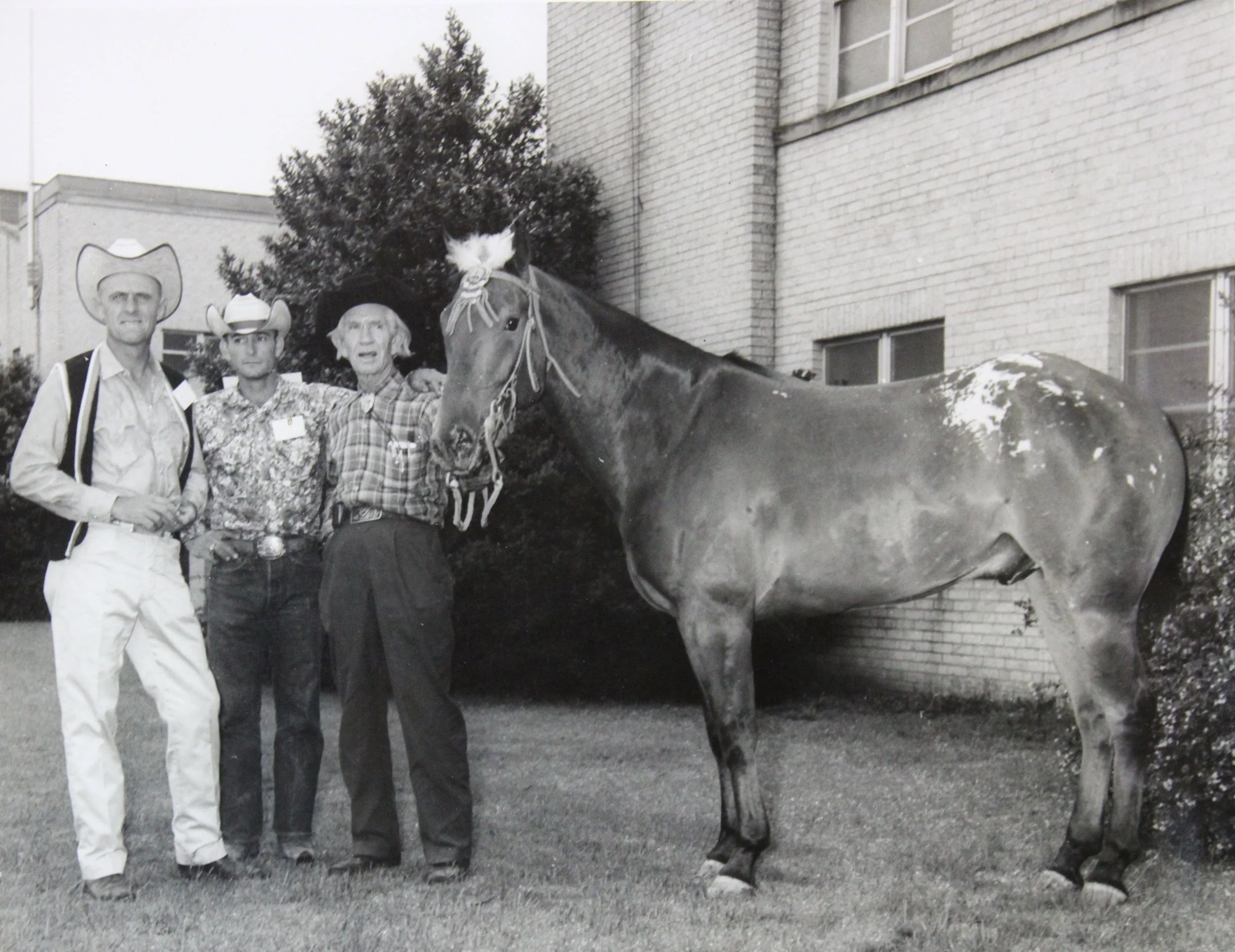
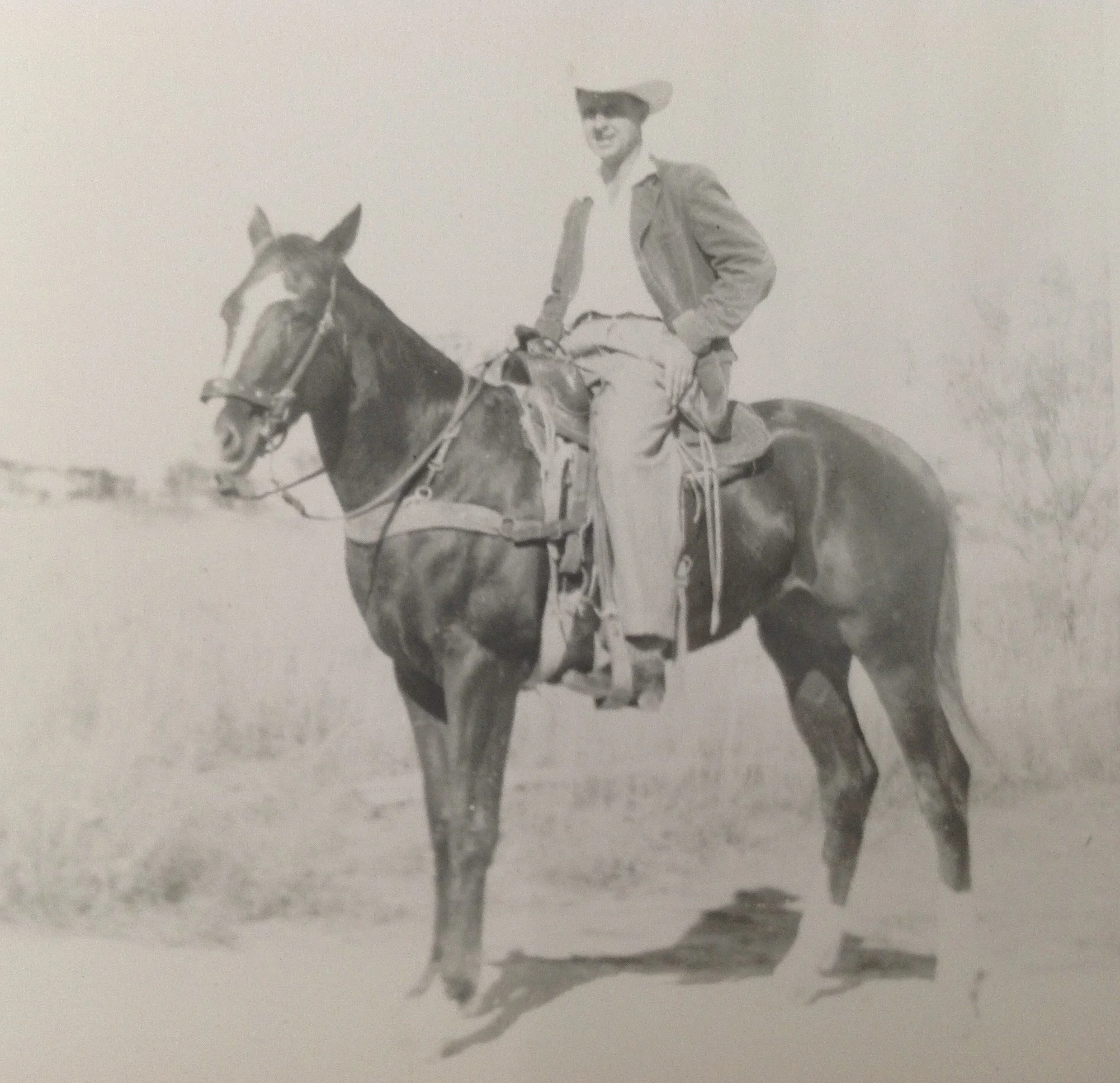
My dad, HH Stroud II sat a good saddle